
What Really Matters?
‘What really matters?’ is one of those questions we can spend our whole life trying to answer. At different stages of life, the answers differ. So too when a crisis or calamity befall us.

‘What really matters?’ is one of those questions we can spend our whole life trying to answer. At different stages of life, the answers differ. So too when a crisis or calamity befall us. Or the opposite. Yet, the answers have a surprising similarity.
Part of the privilege of being a minister is being invited into people’s thoughts, particularly about what matters. And church rituals – like baptisms, weddings, and funerals – are full of thoughts about what really matters.
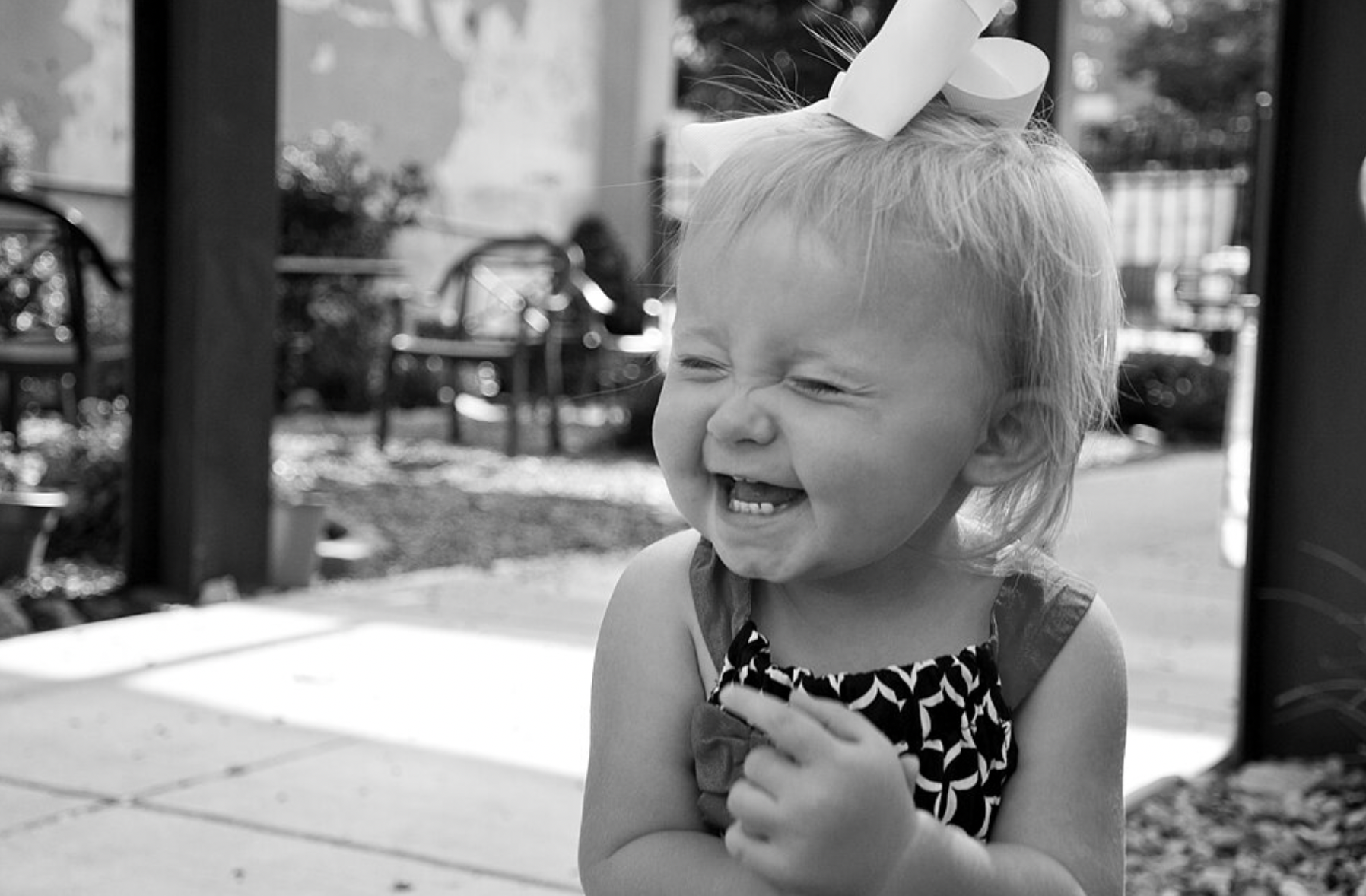
Joy matters. Sometimes expressed in laughter or a smile. Most times in a steady contentment and deep pleasure.
Joy though has a backstory. It comes out of relationships that have fostered love, wellbeing, curiosity, and togetherness. Relationships that have allowed you to grow and explore and make mistakes, and have never condemned you.
And when your experience of relationships isn’t like that, joy can be a struggle. Indeed, one bad relationship can steal your joy.
Security matters too. But here’s the thing. Security isn’t what it seems. The size of one’s house, piggy bank, and income don’t directly correlate with security. Neither does what government is in power, or who the Prime Minister is, or what their policies are. Neither does the work of international and national leaders and institutions, regardless of how much good (or not) they are doing. Indeed, all those things, even when they are ample, supportive, or admirable can detract from our feelings of security.
For at the heart of security are relationships. Not things and money. At the heart are people we love and who love us. Not governments and institutions. At the heart is the goodness that comes from what good people sow and nurture in our lives, and we in theirs.
So, security and joy have the same parents.
Another sibling is beauty. Beauty, too, isn’t what it seems. It isn’t what costs the most, is made with the finest materials, or a face on a magazine cover. Rather beauty is a way of seeing. If we are lucky, we are taught this way of seeing.
Anthony De Mello tells a story of a family enjoying their day at the beach. The children were making castles in the sand when in the distance a little old lady appeared. Her grey hair was blowing in the wind and her clothes were dirty and ragged. She was muttering something to herself as she picked up things from the beach and put them into a bag.
The parents called the children to their side and told them to stay away from the old lady. As she passed by, bending down every now and then to pick things up, she smiled at the family. But her greeting wasn't returned.
Many weeks later they learned that the grey-haired lady picked up bits of glass from the beach every day so children wouldn't cut their feet.
Families, communities, and churches at their best teach this way of seeing. That kindness is what makes people beautiful. That generosity makes a person attractive, not their clothes or physique. That friendliness, thankfulness, and helping others are the goods that make life great. If you want to make America, or New Zealand, ‘great again’, then let us try those.
Of course, there are big and important issues in our times. Like climate change, poverty, violence, racism, greed, fear, and their progeny. These are monsters that lurk and stomp, threatening to destroy what we hold dear.
Yet we need to remember, and then remember again, what it is we hold dear. Lest we forget what is truly precious, what truly matters, and why we hold hands to thwart the monsters.
Glynn
(Photo source: Wikimedia Commons, ‘Laughing Toddler’, Katie Thomas)


